Pulished on Nov. 25, 2026
Buying electric forklifts in bulk involves many more considerations and planning steps than purchasing individual units to be used in a warehouse environment. Manufacturers are particularly important to wholesale distributors and importers because they have an effect upon product quality, unit cost, customer satisfaction and the ability of the company to grow over time.
A competitive price is an important factor in purchasing from a manufacturer. However, there are many other factors that should be taken into account when evaluating a potential supplier for your wholesale forklift business. Some of these include: battery quality; consistency of product specifications; availability of replacement parts; support provided under warranties; and the ability to customize products to meet the specific requirements of your customers. All of these factors will ultimately affect how much money you can generate from your wholesale forklift operations.
The following provides guidance on what distributors need to assess prior to placing an order for electric forklifts with a Chinese manufacturer and how to establish a strong, reliable business relationship.
The best electric forklift wholesale suppliers will consistently deliver on their promises of quality products, correct battery configuration for your application, established quality control standards, and long-term customer service.
Distributors need to understand the customer requirements in their geographic region prior to choosing a manufacturer.
In addition to the previous examples, there are also differences based upon location. For instance, European warehouses will likely place an emphasis on using lithium-based batteries, being able to maneuver easily in tight spaces and operate efficiently indoors. On the other hand, industrial customers that handle heavier loads will probably need to utilize forklifts with higher weight capacities, stronger frames or specific accessories.
As an alternative to stocking every single product in their catalog, distributors may choose to focus on a limited number of items that are in high demand by the public.
Electric forklifts with capacities ranging from 1.5 to 3 tons are typically used for common warehouse applications. For larger industrial operations, 4- to 10-ton models would most likely be required.
The right products for a store depend on what customers want locally, how the store operates, and how much money the store has to spend on products.
The two electric forklifts with equal maximum weight capacity will be equipped with various technical components.
A manufacturer's 2.5 ton electric forklift could have a totally different battery system, controller, mast, and/or hydraulic set-up than a different supplier's.
These differences may result in variations in the performance, the maintenance needs and the total cost of ownership.
The distributors should compare the rated capacity, the load center, the lifting height, the battery voltage, the battery capacity, the charger specifications, the tire configurations, and the available attachments.
Residual capacity of the forklift (the remaining amount of weight that can be lifted), as well as the size of the load, should be given special consideration with larger forklifts.
The least expensive bid isn't always the most economical, as a cheaper machine may require additional accessories to meet the buyer's needs.
The most critical decision when selecting electric forklifts is which type of battery you will use.
The popularity of Lithium-Ion Electric Forklifts is growing due to the increased demand from companies with multiple shift operations or those needing flexible battery charging times.
Lithium-ion batteries are able to utilize opportunity charging during scheduled rest periods and typically have fewer needs for routine maintenance as compared to traditional flooded lead-acid batteries.
Lead acid forklifts are still an effective solution for those who are looking at their initial purchase cost and have a work schedule that is predictable.
Distributors who offer both battery technology types can satisfy a variety of client groups.
Battery selection is not limited to selecting either a lithium-based battery or a lead-acid based battery.
Additionally, the voltage, capacity, charging equipment, battery management system and whether or not a replacement is available for the battery must be verified.
A reliable supplier must provide you with accurate data regarding the specifications of your battery, along with data regarding how to order replacement batteries.
Product consistency is of utmost importance when distributors place repeat orders.
A forklift that has good performance with its initial shipment should continue to have similar performance as the first shipment for all subsequent production runs.
Changes to controller, electrical components or battery system design on a regular basis create problems for managing spare parts and providing technical service.
Before purchasing a forklift, buyers must inspect its core structural components and electrical system.
Long-term performance of the equipment is influenced by the mast, axle, hydraulic cylinder, brake system, wiring, and control unit.
In addition to standard product photographs, there may be other types of visual materials that can provide more detailed information about products than what is typically available in a catalog. For example, some manufacturers will show video footage of factory inspections, pictures of the manufacturing process, and even actual load testing of their products.
Ordering a small test order (or sample) of a product from a new vendor can be beneficial for distributors to assess whether they want to invest in a larger quantity of products from that vendor.
OEM/ODM service enables distributors to produce fork lifts with their company's brand.
OEM electric forklift manufacturing usually involves adding a distributor's branding to a standard product line and, in some cases, customising it technically and visually.
Product modification to suit particular markets can take place during the ODM partnership.
The most common types of customization include brand logo(s), the color of the forklift, model designation, battery type/size/configuration, maximum height of the mast (the part that lifts the load), tire types and added features (attachments).
For distributors who are looking to enter a competitive marketplace, custom branding will allow you to create a unique image of your products.
But over customizing technically can make it harder for you to maintain and manage replacement parts.
A realistic way to achieve consistency in the core elements of your product/service, yet allow for customisation of features which add to its marketability, is to create a set of core components and then allow for customization of other components that will enhance the value of your product/service.
International forklift dealers need to think about what is required technically and legally by the market that they are going to sell in.
Before you ship your product to Europe, make sure that you have checked if there are any applicable machine safety rules, how to get a certificate of compliance for those rules, and if you have all of the necessary documentation to show that your machine meets those rules.
Buyers must verify what declarations, instructions, identification information and other essential documentation is provided with the particular forklift configuration.
Import documentation can be comprised of other items such as commercial invoices, packing lists, technical specifications and applicable battery transport documents.
Requirements vary by destination and product configuration.
Distributors must confirm whether their documentation meets relevant regulatory requirements and not assume that if it was compliant in one market, it will be compliant in another.
After-sales service may determine if a whole sale forklift business is profitable long-term.
When equipment needs to be serviced, customers will require replacement parts and/or assistance with technical problems.
Distributors need to make sure they have a conversation about spare parts availability, what is included in their warranty, and how they will provide technical support before they place an order.
The common replacement components would include sensors, switches, hydraulic seals, electrical components and some of the braking components.
A reliable parts identification system is particularly valuable.
When a user needs to find a new part for their forklift a number of years after they bought it, the dealer will use the Model Number, Serial Number or Component Reference to determine which part is required.
Clear, easy-to-read documentation provided by manufacturers and their quick response times to user questions will decrease the amount of time that users have to wait for help.
The factory quotation is only one part of the total purchasing cost.
Distributors will determine the landed cost of a forklift by factoring in its specific configuration, any added accessories, export packaging, shipping/freight costs, insurance, applicable import duties, and final delivery to the end user.
Container loading efficiency can also affect the final unit cost.
In addition, the size of a forklift and its type of mast could affect how many units can be carried in each container.
Some manufacturers can allow you to purchase a mixed container order which will allow you to try various size containers prior to making large purchases of one model.
This approach can reduce initial inventory risk when entering a new market.
In addition to short-term costs, long-term costs must be factored into the decision-making process. The selection of a slightly more costly forklift that offers robust spare parts availability may yield greater long-term cost-benefit than a less expensive machine that has little or no technical support.
EIOUU produces and provides electrical material handling equipment to international distributors, wholesalers, importers and industrial users.
Our company has a variety of products including electric powered forklifts that are suitable for use in warehouses and other heavy duty applications within an industrial setting. The products we offer provide lifting capacities ranging from 1.2 tons up to 10 tons.
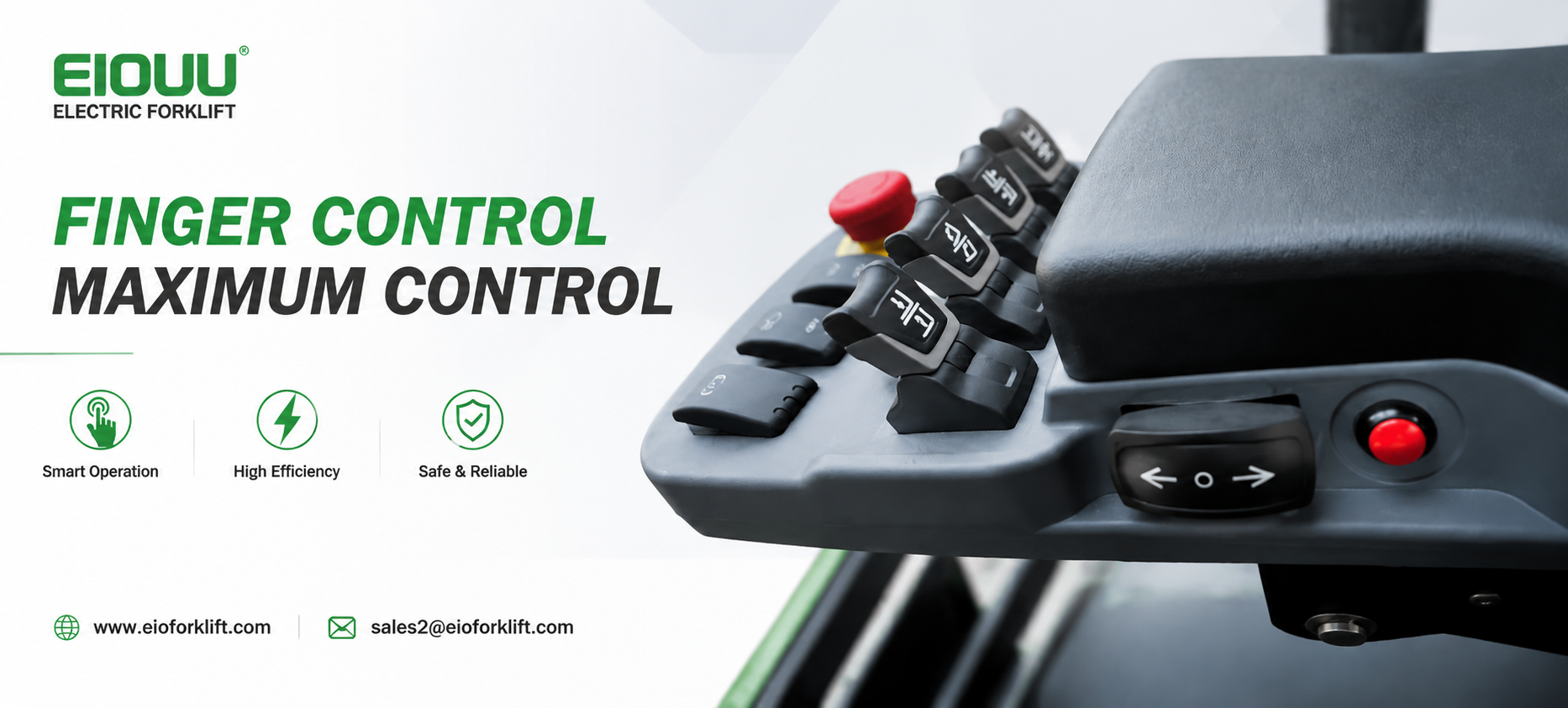
Depending on the model, there are several configuration options such as: battery types (lithium vs lead-acid), various mast heights, fingertip controls, tire options, side-shifts and special attachments.
Additionally, we are open to working with distributors who wish to develop their own brand of forklifts through OEM and ODM.
Customization may involve the addition of custom logos, products' color options, model identification and equipment configuration selections as required for the project.
EIOUU assists clients in selecting appropriate models for wholesale buying initiatives by considering the clients' intended customer base and how they will operate.
Distributors have the option of buying electric forklifts from China's manufacturers and export suppliers like EIOUU. Prior to making a purchase, distributors should review the product specifications, production capabilities, warranty terms and availability of replacement parts.
OEM electric forklift programs may include proprietary logos, custom colors, model identifiers and preferred equipment options, as determined by the OEM manufacturer and product order.
Customers who want to have more options with their battery charging schedules and want to do less regular maintenance on their batteries would find that lithium batteries are right for them. When a customer's primary concern when buying a battery is how much it will cost upfront, then a lead-acid battery may be better for them.
When considering working with a new supplier, it is highly suggested that you use either a sample or trial order. This will allow the distributor to evaluate how well the forklift works, the quality of the components used and what type of technical support is available prior to placing a larger order.
Wholesale pricing is based upon the amount of weight a unit can lift, its battery type, how high it can go (mast), what components it has, if you want any additional features or accessories, how many units you are ordering, and any special requests you may have. The cost to ship the unit from the factory to the port, as well as importing fees will add to the overall cost of the unit when delivered to your door.
Electric forklift wholesale purchases require more than just getting the lowest possible factory pricing.
Consistent specifications, reliable battery systems, high-quality products, availability of replacement parts, and the ability to obtain long term support from manufacturers are some areas that distributors should consider when making decisions.
Businesses that are searching for a Chinese electric forklift manufacturer can look to EIOUU as a provider of electric forklift solutions with both OEM (original equipment manufacturer) and ODM (original design manufacturer) options available for customization in response to the needs of foreign markets.
Contact EIOUU to review your target audience, maximum forklift capacity requirements, preferred battery type and wholesale purchase options.
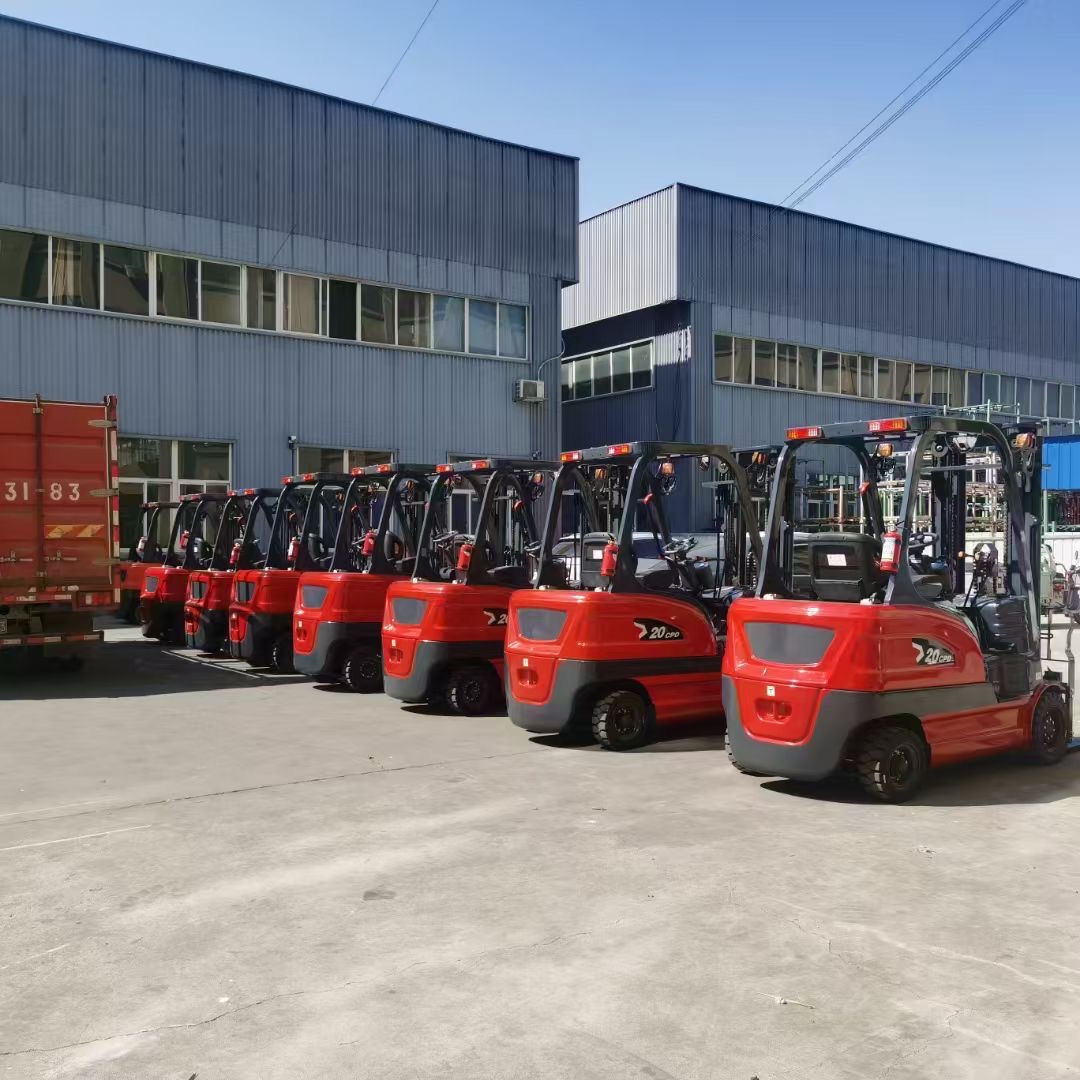
Electric Forklift Wholesale: What Distributors Should Know Before Ordering
Published on Nov. 25, 2026
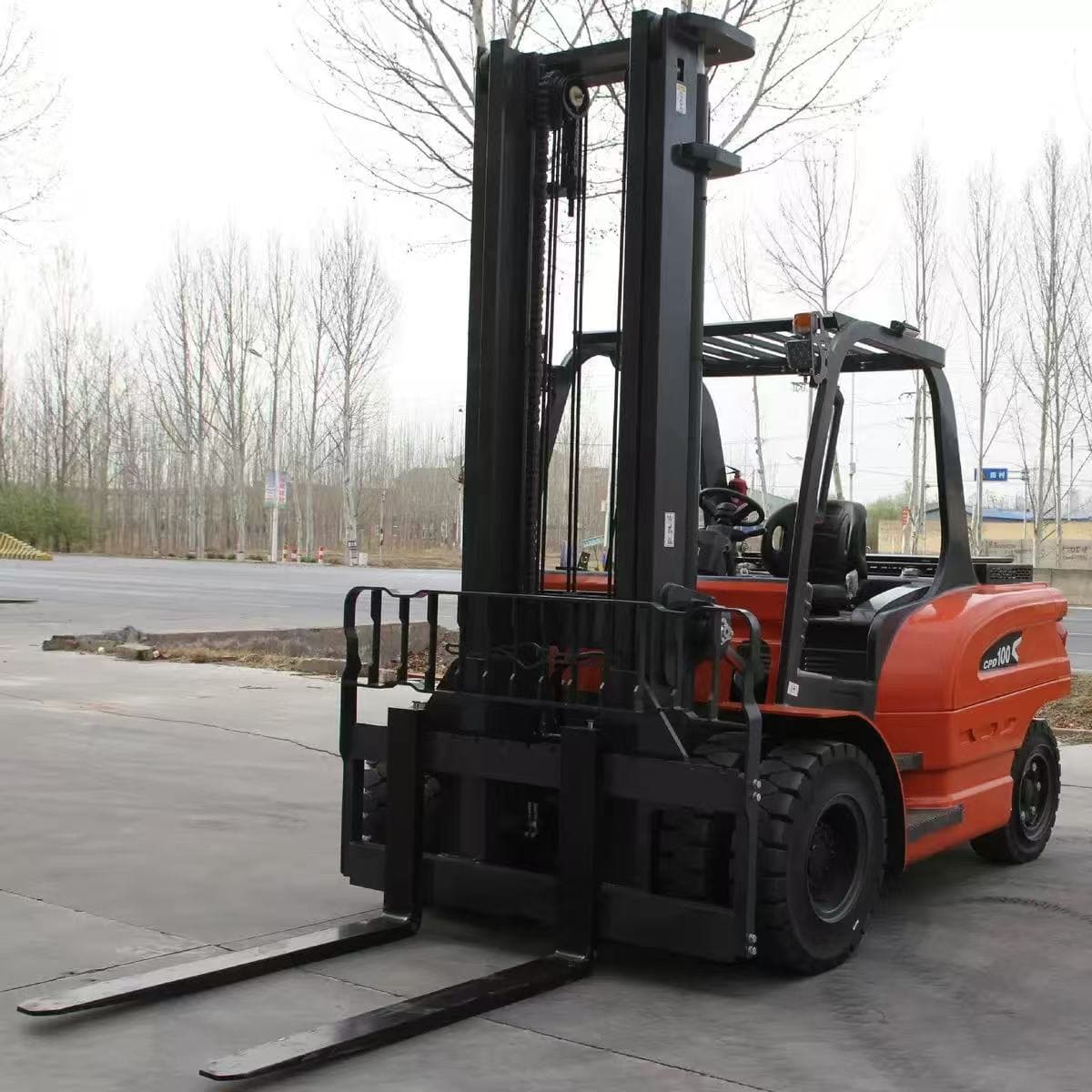
10 Ton Electric Forklift: Applications, Benefits & Buying Guide
Published on Nov. 22, 2026


314, Building 3, No. 12 Haitai Development 2nd Road, Binhai High-tech Zone, Xiqing District, Tianjin, China


Copyright © Tianjin HRX Technology Co., Ltd. All Rights Reserved. Sitemap
Home ProductsAbout usFor DistributorsOEM/ODMNewsContact Us