Pulished on Nov. 27, 2026
Electric-powered forklifts have become a common choice for material handling in many types of business environments including warehouse, manufacturing plant and distribution center applications. Electric-powered forklifts provide several advantages over traditional diesel-powered forklifts, such as reduced noise during operation, elimination of harmful emissions from the exhaust pipe of the forklift and less frequent engine-related maintenance.
Electric forklifts require a more complex selection process than simply reviewing prices and/or load capacities. There are many other factors that affect how well your electric forklift will perform including the type of battery used, the environment you operate the forklift in, the maximum height you can raise loads to, and what features you have selected for your electric forklift.
The purpose of this document is to explain what the primary uses are for, what advantages there are to, and how business owners, importers, and forklift distributors should consider when buying.
The electric forklift is a material handling vehicle that uses rechargeable batteries to power both its drive motor and the hydraulics used for lifting. This differs from other types of forklifts that use internal combustion engines.
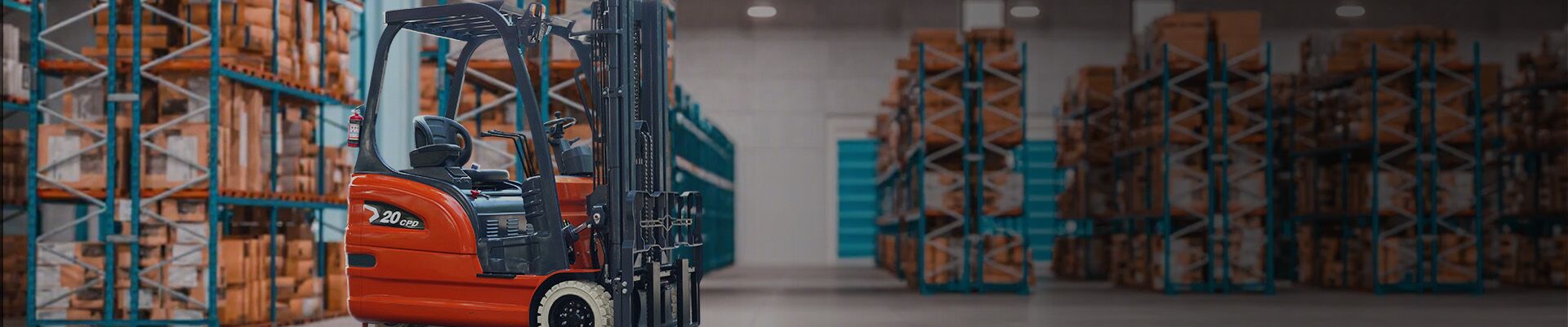
The types of electric forklifts that are available to consumers vary by both capacity and configuration. For example, some electric forklifts may be designed with three wheels for use within narrow aisles of warehouses. Other electric forklifts, such as those that are four-wheel, can be utilized in many types of general purpose warehousing environments and also in manufacturing facilities.
Heavy-duty electric forklifts are capable of handling heavy-duty machinery parts and other demanding loads.
The best type of forklift for you will depend on how much your materials weigh and what size they are, what kind of work environment you have, and how often you plan to use the forklift each day.
Electric-powered forklifts are used on a regular basis to load pallets, move inventory, replenish stored products and stack materials.
Because there is little room for aisles within a warehouse environment, both the physical size of the vehicle and its ability to turn around in tight spaces become very critical factors.
To ensure that distribution centers can keep up their productivity when there is a high volume of materials being moved through the center, they will need appropriate battery capacity and proper charging equipment.
Electric forklifts are used by manufacturing plants to move raw material, machine parts, manufactured goods and production equipment.
Indoor production environments are especially suited for electric operations because they help create better working environments by minimizing noise and eliminating tailpipe emission from forklifts.
The same types of higher capacity electric forklifts can handle heavy industrial materials such as steel products, industrial molds, and large machinery parts.
Electric lift trucks work well in many indoor logistic environments, particularly when a clean working environment is desired.
Because electric-powered vehicles produce no tailpipe emissions when in operation, many companies are considering using these types of vehicles in their indoor warehouse or manufacturing operations.
The final equipment configuration should continue to meet the operational and safety standards for the facility.
Electric forklifts provide numerous advantages when compared to the older style of electric forklift.
One advantage to electric drive systems is that they are much quieter. Diesel engines typically create more noise than electric drive systems. This can be beneficial in busy warehouse and factory settings.
A second benefit of using an electric forklift is less engine-related maintenance. With an electric forklift, there are no regular oil changes for the diesel engine nor is there any regular maintenance of the fuel system required.
Hydraulic systems, brakes, tires, batteries and electrical components are all parts of the car that need to be checked and maintained on a regular basis.
Smoothly controlled at low speeds, electric forklifts are effective for accurate placement of pallets and continuous moving of materials.
They have the ability to utilize flexible charging opportunities during periods of inactivity (planned breaks), if used with appropriate lithium battery types.
Battery technology impacts how long a forklift can operate, what type of charging is required for the battery to be charged, and how much it will cost to purchase a new battery.
The use of Lithium-ion Batteries is growing rapidly within both Warehouse and Manufacturing environments where continuous operations exist. These types of batteries offer many advantages including faster charging times, opportunity charging capabilities, as well as significantly decreased amounts of routine battery maintenance.
For instance, a warehouse with several shifts can use their lithium electric forklifts' charged batteries to power those vehicles during planned downtime (such as breaks), depending upon the type of battery used and how it is wired to its charging station.
Lead-acid batteries are an affordable option for companies that have low to moderate operating hours and need a less expensive way to start buying.
Flooded lead acid (FLA) systems typically take a lot more time to charge than most other types of batteries, as well as requiring a lot of routine maintenance.
Neither battery technology is automatically better for every application.
Daily operating time, maximum weight of the load being hauled, distance to be covered, availability of charging stations and total cost of owning the vehicle over its lifetime are what determine which option is best for you.
In order to select a forklift that will meet your needs, you need to base your choice on the weight of the actual load you are moving, as opposed to simply selecting a forklift based on its rated capacity.
For instance, a three ton electric powered forklift can lift up to 3000 kilograms based upon specific parameters. However, the amount of weight it is able to handle may vary depending on the location of the load center, how high the load is lifted, or if an additional piece of equipment (attachment) is added.
Long components used in industry can produce a different center of gravity than a compact pallet of equal weight.
Therefore, prior to choosing a specific model, buyers must verify the total maximum weight capacity (load weight), the physical size of the load being lifted (load dimensions), and how high off of the ground the load must be lifted (lifting height).
In standard warehouse operations, there is a common use of electric forklifts that range from 1.5 tons up to 3 tons.
Heavier manufacturing applications may require 4, 5, 7 or 10 ton equipment.
Selecting too much capacity will cost more to purchase and make the equipment less mobile; selecting too little capacity creates operational and safety issues.
Another factor that you need to consider before buying an electric forklift is the lifting height.
The required mast configuration will vary based upon how high the warehouse racks are, the amount of overhead clearance available and what kind of operating environment is present.
The buyer needs to determine the height of the doors, the width of the aisles, where they turn, and how much space there will be for loading prior to ordering.
A forklift can have enough lifting capacity to be able to reach high enough to load/unload items from a rack, however, if the closed mast height of the forklift prevents it from entering/exiting a building's entranceway, then the forklift will not be suitable for use.
Depending on how high you need to lift your loads, some of our forklift models can come with either a duplex or triplex mast configuration.
When choosing a higher mast, you should also check that the residual lifting capacity is maintained.
Electric 3-wheel lift trucks are frequently chosen when indoor use requires small turning radii.
Their ability to move quickly and easily can make them very handy in warehouses where there are small aisle ways and little room for working.
Four-wheel electric forklifts have many uses such as; in general warehouse handling, manufacturing operations and other types of heavier industrial application.
Load capacity, working surface area, turning space, and stability requirements will determine which of the various configurations is best for you.
The customer needs to evaluate the specific dimensions and operational specifications of the forklift they are purchasing, as opposed to making their selection solely upon how the machine looks.
Attachments to electric forklifts are available so that users can have options for handling materials.
The ability to move the forks sideways allows operators to alter their positioning relative to the load they are picking up or setting down, without having to reposition the whole lift truck. This makes it easier for operators to position the pallets properly.
Fork positioners, paper roll clamps, and other custom attachments will help with industrial application needs when used correctly on a forklift.
When determining the available lifting capacity, changes in the weight of the attachment and the location of the load center should be accounted for.
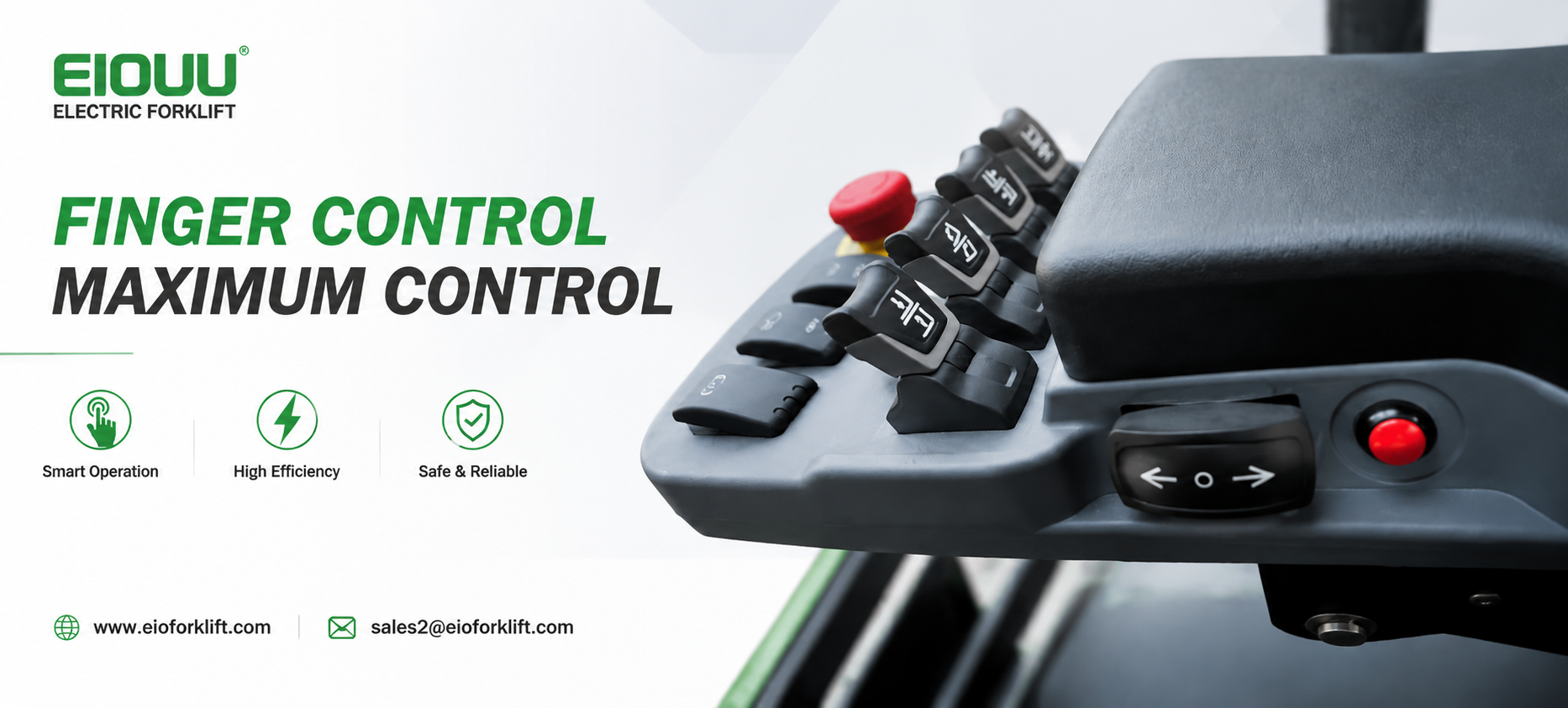
For those who have selected a model with increased specifications, there is also the option of utilizing fingertip controls.
The use of fingertips to operate hydraulic controls allows operators to make smaller adjustments than traditional hydraulic controls.
This setup can make your work easier when you are doing a lot of the same type of material handling.
Electric forklift maintenance involves more than checking the battery.
The regular inspection of the mast, axle, hydraulic cylinder systems, braking systems, tires and electrical components is necessary.
Safety functions vary by model but can include operator-presence sensing, automatic control of lowering of equipment, battery status monitoring and the ability to convert kinetic energy into electrical energy through regenerative braking.
Prior to making a purchase decision, buyers must assess how quickly the manufacturer will provide replacement parts and how easily they can access technical support.
In addition to having to maintain serviceability for all equipment that is sold, consistency in specification of equipment and reliability of replacement parts are also critical factors for distributors.
When buying a product, a lower initial cost does not necessarily equate to long-term value, as finding replacement components can be problematic.
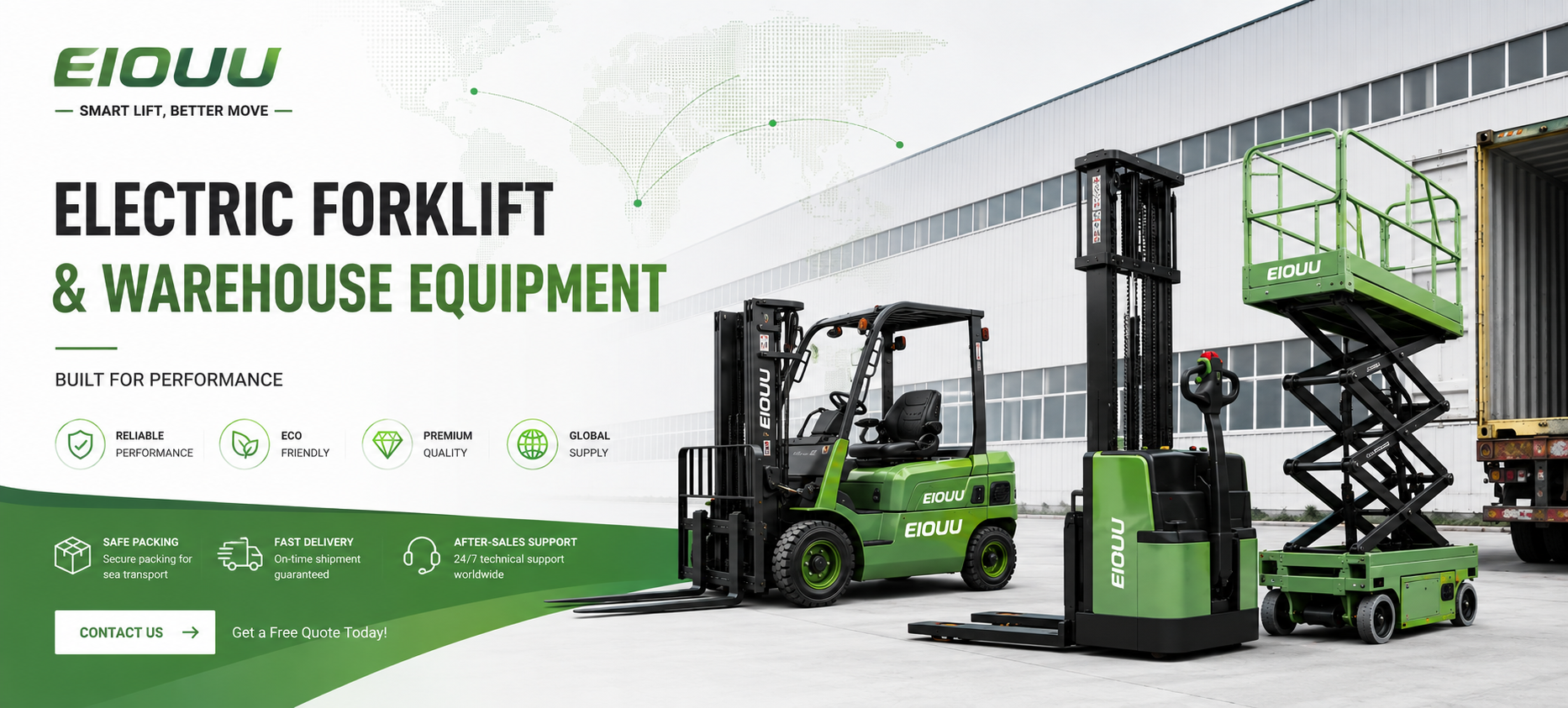
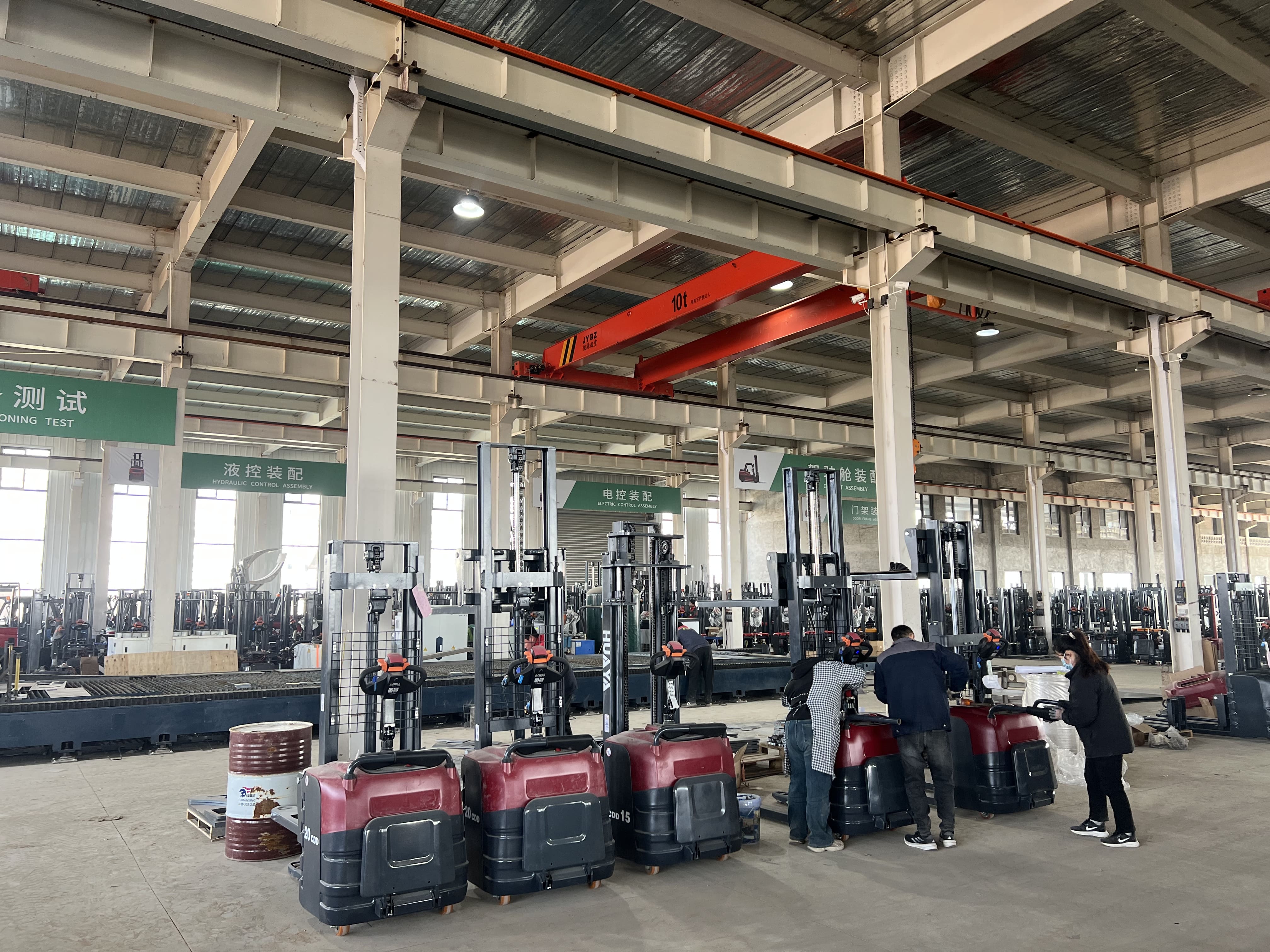
EIOUU produces and distributes electric material handling equipment to customers worldwide including distributors, wholesalers, importers, and industrial users.
The electric forklift model line-up consists of machines that can lift loads ranging from 1.2 to 10 tons for both warehouse use and heavy industrial use.
Different battery types (lithium/lead-acid), mast height variations, control options (fingertip/controls), side shift configurations, tire selections and specialized accessories may be used depending on your machine type and job application.
EIOUU supports OEM and ODM partnerships with distributors who wish to create their own brand of forklift.
Customizing products could include using a company's own logo, choosing the color of a product, labeling products with model names, and selecting the most appropriate technical specifications for a product.
The first step for an international buyer in selecting the right type of forklift is to understand what their on-site operations will look like, and then determine how those operational needs align with their customer’s requirements.
Electric forklifts are utilized for the purpose of lifting, transporting and stacking products within warehouses, manufacturing plants, distribution centers and other types of industrial environments.
Electric forklifts provide a quiet working environment, don't emit harmful gases from the exhaust pipe, and have less maintenance issues related to the engine. On the other hand, diesel powered forklifts can be used in areas where there isn't much charging infrastructure available.
The duration of operation will vary based on several factors including battery capacity, weight of the load being carried, distance traveled, frequency of lifts performed and the environment where the equipment is operated. Therefore there is no set period of time in which all electric forklifts will operate.
Yes, the correct type of electric forklift can be used outside, as long as the ground surface, the amount of time exposed to the elements, the steepness of the grade, the type of tires being used and the level of electrical protection are appropriate.
Yes. EIOUU offers custom-designed OEM and ODM electric forklift options that allow for private labeling as well as product configuration selection based on the specific project requirements.
When choosing the proper type of electric forklift, there are many factors to consider such as; load capacity, battery technology, lift height, operational environment and future upkeep.
A properly chosen electric-powered lift truck will help to efficiently handle materials in a warehouse or factory setting while producing less noise and zero tailpipe emissions.
Distributors/Importers seeking a Chinese electric forklift manufacturer can look to EIOUU for electric forklift solutions that are customizable (with various options) and available through OEM/ODM partnerships.
Please contact EIOUU to let us know what you need for a lift, what type of battery you prefer, and how you want to purchase the equipment.
 Previous: None
Electric Forklift: Applications, Benefits and Buying Guide
Published on Nov. 27, 2026
Electric Forklift Wholesale: What Distributors Should Know Before Ordering
Published on Nov. 25, 2026


314, Building 3, No. 12 Haitai Development 2nd Road, Binhai High-tech Zone, Xiqing District, Tianjin, China


Copyright © Tianjin HRX Technology Co., Ltd. All Rights Reserved. Sitemap
Home ProductsAbout usFor DistributorsOEM/ODMNewsContact Us